Facial & Cranial Correction
One Bone Shapes Your Face. But It Never Works Alone.
You’ve discovered how important the maxilla is. Now learn how to work with the wider facial and cranial system connected to it.
- 12 targeted osteopathic facial bone techniques
- Complete full-skull work
- Entire scalp aponeurosis release
- Work across 17 facial and cranial bones
- Techniques addressing 8 key sutures
One-time payment: $57
START FACIAL & CRANIAL CORRECTIONStep-by-step guidance · No subscription · Lifetime access
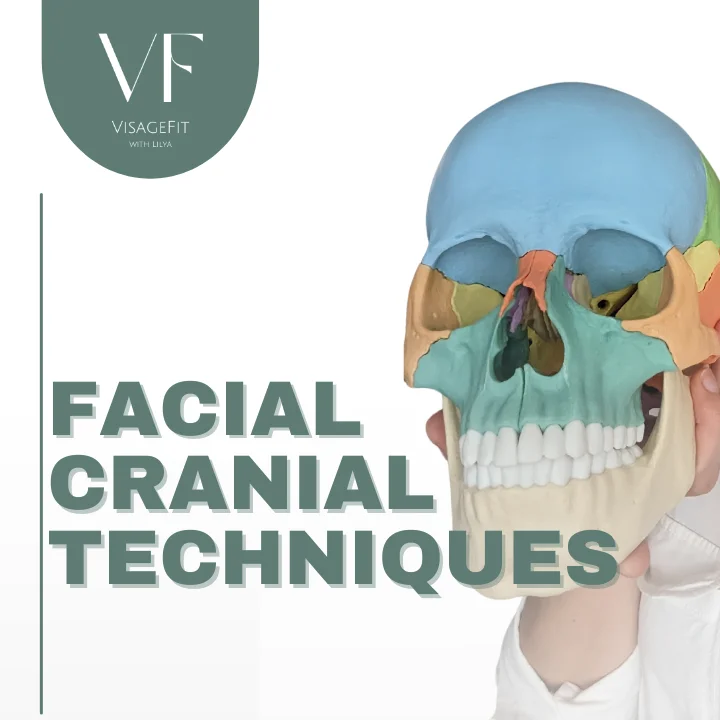
Your Face Is More Than Skin and Muscles
Skin, fat pads and muscles are only part of the system.
Beneath them lies the facial skeleton, which influences how the muscles, fascia, ligaments and soft tissues are supported.
As we age, facial bones also change through bone remodelling and resorption. These changes can affect the visible support of the midface, eye area, cheeks and jawline.
This is one reason why surface-level methods alone may eventually feel limited.
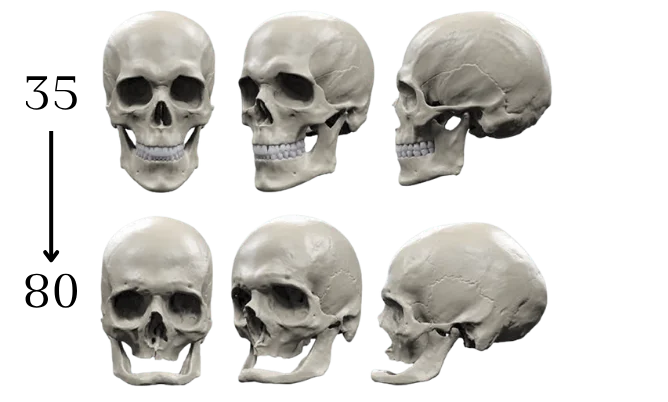
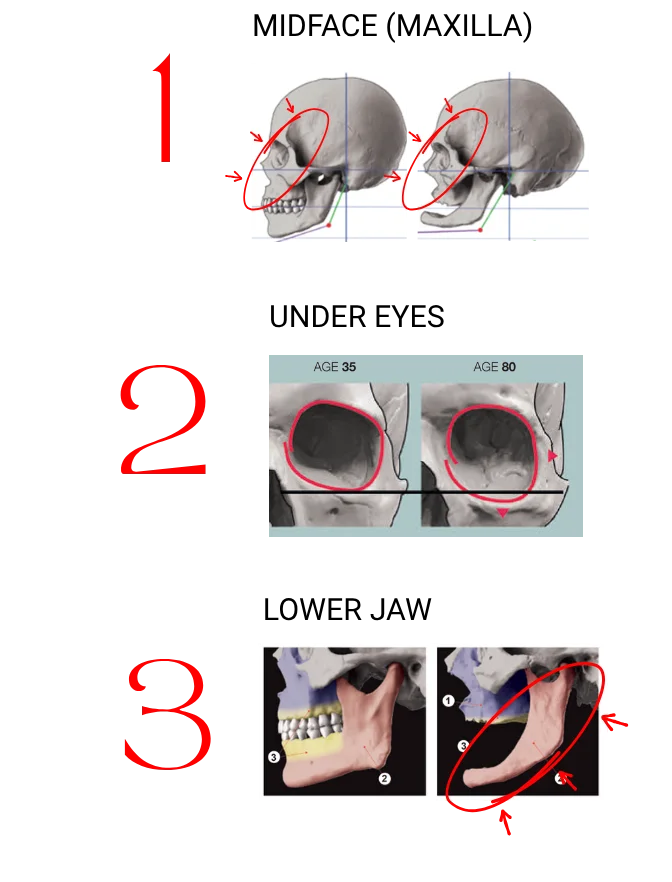
Why Facial Structure Can Change the Way Your Face Ages
Different facial-development patterns provide different levels of forward and lateral support for the soft tissues.
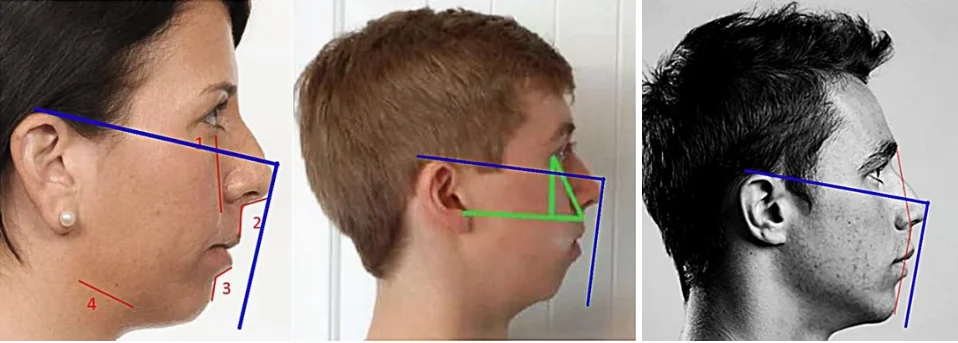
More Vertical Pattern
- Less prominent-looking cheekbones
- A longer-looking face
- Greater tendency toward a double chin
- More visible facial puffiness
- Softer facial contours
- More pronounced-looking smile lines
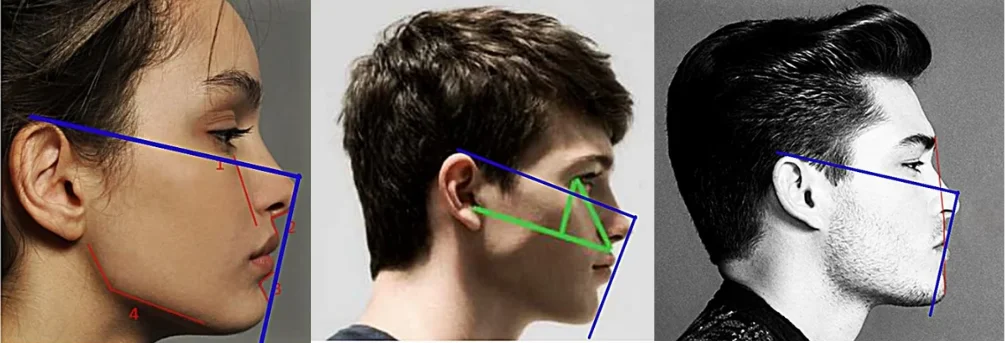
More Forward and Lateral Support
- More prominent-looking cheekbones
- Better visible midface projection
- A more defined facial contour
- More harmonious-looking proportions
- Less visual heaviness through the lower face
Your natural bone structure is individual. The goal is not to create a different face—it is to understand your own structure and work with it more effectively.
Your Facial Structures Are Interconnected
Although cranial structures become more rigid with age, osteopathy-inspired approaches describe subtle mobility and adaptability within the cranial system.
The techniques in this course use gentle contact, breathing and carefully directed movements—never force.
Working with facial and cranial tension may also help reduce stress transmitted through the fascia. When these tension patterns become more balanced, the face may appear more harmonious and symmetrical.
Restrictions and tension patterns may appear as:
- Facial asymmetry
- Puffiness or heaviness
- Less-defined contours
- Deeper-looking smile lines
- Uneven tension around the eyes or jaw
- A face that looks pulled down or tired
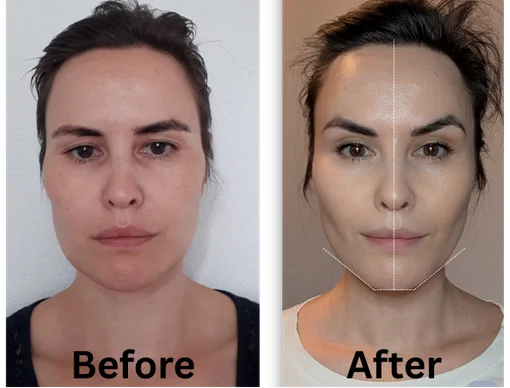
Individual results vary. These techniques are not intended to diagnose, treat or reverse medical or skeletal conditions.
One Complete Facial & Cranial Flow
Prepare
Begin with dry drainage to prepare the tissues before deeper work.
Release
Work progressively across the entire scalp aponeurosis—from the forehead and temples to the crown and back of the head.
Correct
Follow 12 targeted osteopathic facial bone techniques.
Explore the maxilla, cheekbones, eye-orbit area, frontal bone, lower jaw and their connections with the wider cranial structure.
Complete
Finish with drainage to complete the sequence and support comfortable practice.
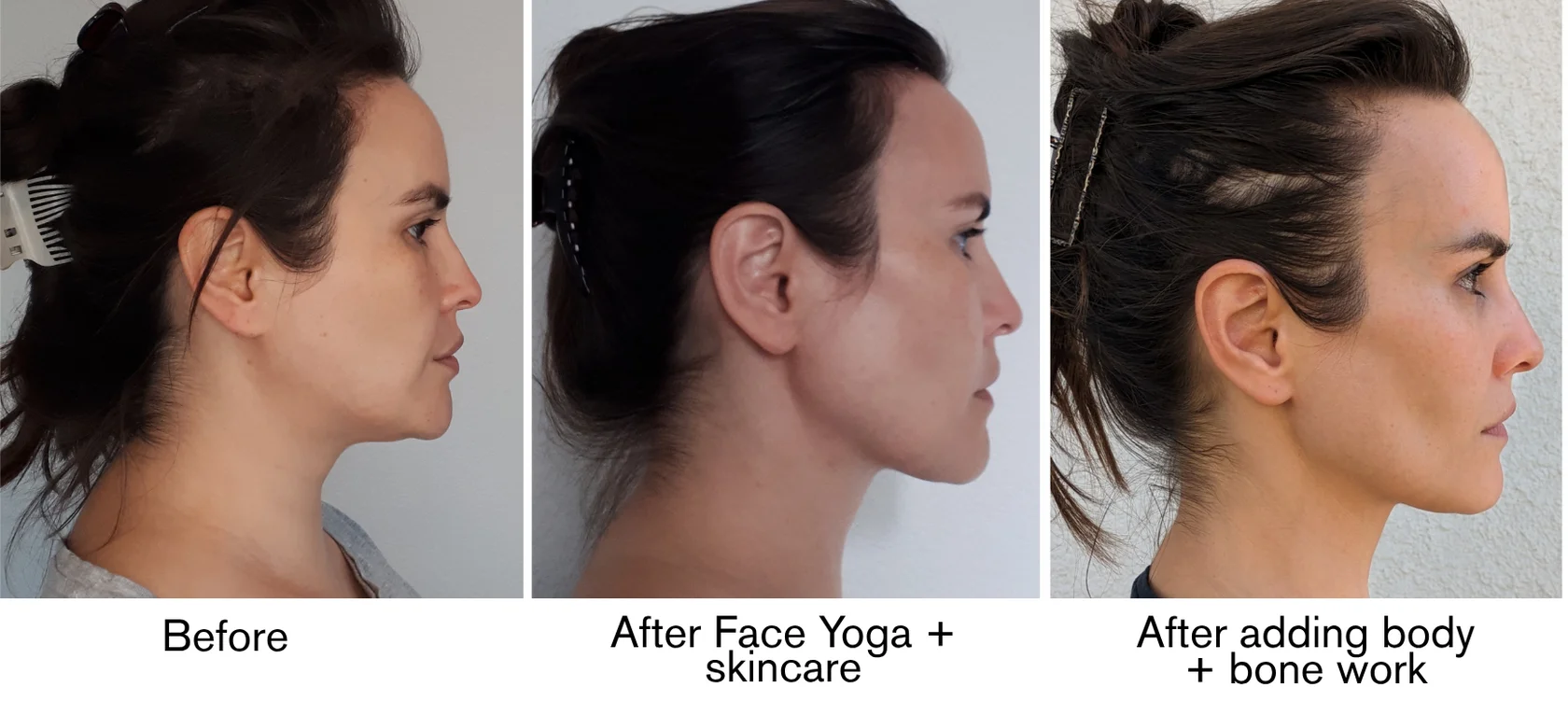
Facial Exercises Took Me Part of the Way
Skincare and facial exercises helped me—but my results remained limited.
The deeper transformation began when I added body and structural work and learned to look beyond the visible concern.
Working with facial and cranial structures helped me reduce the tension affecting my fascia, improve the balance between the two sides of my face and create a more supported, defined appearance.
Years of Learning—Simplified for You
I invested at least $6,000 in specialist education and professional training to understand facial and cranial techniques.
But education was only the beginning.
I then spent years studying, practising and testing different methods—separating what was genuinely useful from what didn’t produce meaningful results.
This course brings that experience together in one clear, carefully structured system, so you don’t have to spend years trying to work it out alone.

Facial & Cranial Correction
Work beyond the surface
- 12 targeted osteopathic facial bone techniques
- Complete full-skull correction sequence
- Entire scalp aponeurosis release
- Work across 17 facial and cranial bones
- Techniques addressing 8 key sutures
- Dry-drainage preparation and finishing sequence
- Step-by-step video demonstrations
- Safety and practice guidance
- Access through the VisageFit app
- Lifetime access
One-Time Payment: $57
No subscription. No hidden fees.
START FACIAL & CRANIAL CORRECTIONSecure checkout through SamCart
Frequently Asked Questions
Is this only a maxilla course?
Is this suitable for beginners?
How often should I practise?
Do I need special tools?
How will I access the course?
Is this a subscription?
How long do I have access?
Who can I contact for support?
Please Practise Safely
These techniques are educational and are not a substitute for medical assessment, diagnosis or treatment.
Do not practise during acute illness, flu-like symptoms, acute ear, nose or throat conditions, or over wounds, cuts, inflamed skin or painful nodules.
Wait at least three months after fillers, Botox, threads, implants, facial injections, craniofacial surgery or plastic surgery, and obtain your practitioner’s approval before beginning.
Consult a qualified healthcare professional before practising if you are pregnant or have migraines, vertigo, severe acne or rosacea, recent dental work, neurological conditions, vascular conditions, neck disorders, cancer or another significant medical condition.
Stop immediately if you experience sharp pain, dizziness, numbness or unusual pressure.
Read the complete legal and safety informationReady to Go Beyond the Maxilla?
Learn how the facial and cranial structures work together—and take your natural rejuvenation practice to the next level.
Facial & Cranial Correction — $57
START FACIAL & CRANIAL CORRECTIONOne-time payment · No subscription · Lifetime access